
26/10/26


Siamo le cinque ragazze italiane arrestate ed deportate dalle forze di occupazione israeliane.
Il 22 ottobre undici attivistə internazionali, oltre a noi una tedesca, un britannico, un irlandese, uno statunitense, un'austriaca e un' ungherese, sono statə detenutə da coloni israeliani e poi dalla polizia israeliana mentre visitavano una famiglia palestinese a Masafer Yatta, nella West Bank occupata.
Non c'è davvero differenza tra esercito e coloni: in diversi posti viene delegato proprio a questi ultimi il controllo del territorio. E quando non è così, la comunicazione e la complicità tra esercito, polizia e coloni è più che stretta.
La stampa racconta che la Farnesina ha ottenuto il nostro rimpatrio. Ma qui non c'è proprio nulla da ottenere: noi non volevano essere espulse, volevamo restare in solidarietà con il popolo palestinese.
Quello che la Farnesina dovrebbe ottenere è, al contrario, una spiegazione delle ragioni per cui siamo state arrestate e detenute per 48 ore, rinchiuse in delle celle senza avere accesso a un processo e a contattare i nostri affetti.
Il governo dovrebbe chiedere perché nei territori palestinesi persone internazionali non possano stare accanto alle famiglie indigene mentre raccolgono le olive nella loro terra e cercano semplicemente di vivere la propria quotidianità. Come mai le loro case e le loro terre vengono arbitrariamente sottratte, occupate, dichiarate zone di addestramento militare, cacciando le famiglie che ci abitano da sempre.
Ci chiediamo inoltre come sia possibile che criminali di guerra possano godersi le vacanze in Italia, all'interno di resort privati, scortati da Digos e polizia senza subire alcuna conseguenza.
Come sempre nei media europei, fa notizia l'arresto di persone internazionali e non la violenza sistemica che i Palestinesi subiscono ogni giorno dalla Nakba del 1948 e ancora prima.
Le famiglie palestinesi vivono sotto un regime di apartheid e terrore imposto dall'occupazione israeliana e sotto la costante minaccia di espulsione e pulizia etnica. Vedono negati i permessi per costruire le proprie case o di accedere alle loro terre, dove i coloni indisturbati possono pascolare i loro greggi rubati ai palestinesi e costruire strade e colonie illegali sotto la legge internazionale. Le persone sono tagliate fuori dalle proprie fonti di acqua, i loro pozzi, le strade e le case, vengono distrutti. Una violenza costante per costringere la gente ad abbandonare la propria terra.
Non possiamo evitare di pensare alle proteste dei contadini e gli autotrasportatori del Sud Italia, che piangono vicino ai loro alberi di ulivo e al fatto che il lavoro di una vita non permetta loro di arrivare a fine mese. Non possiamo dimenticare delle migliaia di armi che escono dalle industrie della Leonardo a partecipazione statale e alle innumerevoli mobilitazioni contro il riarmo che hanno invaso le strade, le scuole, i porti e le stazioni durante questi anni. Davanti a tutto questo, il Governo è rimasto in silenzio. Al posto di ascoltare le proteste contro il carovita e dare delle risposte alle piazze, continua a finanziare la macchina di morte che porta avanti il genocidio, l'occupazione e lo sterminio in Palestina.
Quello che ci è successo è inaccettabile ma la situazione delle persone palestinesi è cento volte peggiore. Sono arrestate ogni giorno, nessun ministero degli esteri interviene per loro conto, nessun media si mobilita in loro difesa. Anche bambine e bambini sono detenuti illegalmente nelle carceri israeliane al cui interno gli vengono inflitte violenze fisiche, psicologiche e sessuali e nelle quali spesso muoiono, nel silenzio assordante del mondo.
Lo sappiamo bene, anche perché durante la nostra detenzione abbiamo ricevuto minacce e derisioni. Un agente ha alluso a come si sarebbe divertito con noi la mattina della partenza, e alla potenziale minaccia di uno stupro. Paura con la quale abbiamo dovuto convivere tutta la notte nella nostra cella.
Chiediamo alla comunità internazionale di smettere di trattare la violenza sionista come una nota a piè di pagina. Chiediamo che il Governo italiano non si limiti semplicemente a delle note di condanna che non hanno alcun risultato né significato reale. Che si attivi per garantire protezione alle famiglie palestinesi di Hebron e di tutta la Palestina occupata. Vogliamo lo stop delle deportazioni e dei ban per gli attivisti, vogliamo la rottura di qualsiasi tipo di rapporto economico e commerciale con l'entità sionista. Chiediamo la chiusura delle ambasciate israeliane in italia e la fine di ogni tipo di complicità. Lo Stato deve fare pressione affinché i coloni responsabili dello sterminio della popolazione in West Bank come a Gaza, e tutte le strutture statali che li rendono possibili, rispondano delle proprie azioni; e che si ponga fine all'impunità che rende la vita dei palestinesi sacrificabile.
Solidarietà con il popolo di Massafer Yatta. Solidarietà con la Palestina. Non smetteremo mai di lottare per una Palestina libera e per la libertà di tutte le popolazioni oppresse.
22/10/26
Violenza sessuale a Taranto - Stuprata dagli uomini - violentata per la seconda volta dallo Stato, dai giudici
"APPELLO INAMMISSIBILE" - Non s'ha da fare un nuovo processo agli 8 autisti dell'Amat che per due anni hanno abusato, stuprato una ragazza
Questo ha deciso la Corte d'appello presieduta dalla Giudice Paola Incalza, a cui la PM aveva fatto ricorso contro la vergognosa assoluzione degli 8 autisti dell'Amat - dando in più una motivazione assurda: "Il ricorso in appello non è stato inoltrato per via telematica"!... Un anomalia procedurale, irrilevante rispetto alle ragioni dell'appello, che non entra assolutamente nel merito delle motivazioni del ricorso, dice ancora una volta che la vita di una ragazza è irrilevante, il suo coraggio nell'aver denunciato le violenze non vale niente; vale di più una pec!

Il Movimento femminista proletario di Taranto aveva appoggiato la giusta decisione della PM Marzia Castiglia, che si era opposta alla vergognosa sentenza di 1° grado che aveva assolto con formula piena: "il fatto non costituisce reato" gli 8 autisti violentatori.
E aveva fatto appello a fare subito un presidio al Tribunale chiamando femministe, ragazze, avvocate.
Ora, quest'altra inaccettabile sentenza.
IL VOLANTINO CHE AVEVAMO DIFFUSO AL TRIBUNALE
Non solo gli 8 violentatori sono stati assolti con formula piena (neanche una formula come: 'ripetute molestie, abusi sessuali' è stata usata), ma nelle motivazioni si scrive che è la ragazza che non ha dimostrato di aver subito violenze "costrizioni"; Sì - dicono i giudici - ci sono state atti sessuali ma la ragazza non ha dimostrato chiaramente di essersi opposta. La denuncia fatta dalla ragazza non ha quindi valore; peggio: il fatto che fosse un pò disabile mentalmente, invece di costituire un aggravante (come aveva chiesto il PM), viene ritenuta una prova di non credibilità.
VERGOGNA GIUDICI!
Una sentenza che dice che le denunce, sempre molto sofferte, in cui pesa a volte la vergogna, insieme ad una giusta sfiducia nella giustizia, sono a prescindere non vere; e che è la donna che deve portare prove provate che ha subito violenze sessuali, non gli uomini. E' la donna che deve dimostrare il "dissenso"; per cui se non dimostra un rifiuto "esplicito", se non grida, se non chiede aiuto, se ritarda nella denuncia, la violenza non è avvenuta...
A Taranto, siamo addirittura nella applicazione ultra rigida di questo abominio: nella sentenza i 3 giudici (di cui 2 donne...) riconoscono che "le condotte degli autisti sono "deprecabili" e "di deplorevole moralità", specialmente perché commesse da incaricati di un pubblico servizio", parlano anche di "abusi sessuali", riconoscono che gli atti sessuali avvenivano in zone deserte, dopo che erano state serrate le porte dei bus (e chi poteva portare i bus in queste zone, vicino all'Ilva, chi poteva serrare le porte, se non gli autisti!?); ma voi porci autisti non dovete provare nulla e... siete tutti assolti! Perchè quella "imbranata"/timida ragazza non ha LEI dimostrato la "coercizione". Quindi siamo all'affermazione per cui: il "consenso" della ragazza effettivamente non c'era, ma non c'è prova di "dissenso".
Questa sentenza è molto grave anche perchè può fare "scuola", queste motivazioni potranno essere usate contro tante altre donne.
Ultima sottolineatura vergognosa: questi 8 autisti violentatori sono stati in questo lungo periodo del processo totalmente appoggiati dai sindacati Cisl e Cisal, che hanno giubilato ora per la loro assoluzione. Ma essi stessi si auto denunciano come "complici", perchè - e noi l'abbiamo accertato - tutti all'Amat sapevano, dato che gli autisti si vantavano sui social delle loro violenze sessuali.
Ma questa ulteriore violenza non deve passare! Daremo il massimo Sostegno alla ragazza se vuole andare avanti.
20/10/26
A Milano, Nudm fa un movimento a parte mentre scoppia la rivolta? - Da Mfpr Taranto

Proprio nei giorni caldi del movimento dei giovani, in cui stanno tante studentesse e ragazze proletarie, Nudm che fa? Si fa la sua iniziativa il 18/10 al parco Trotter in solidarietà con una donna violentata giorni prima. Certo una risposta a questa ennesima violenza sessuale era necessaria, ma perchè non farla in un altro giorno?
Per Milano, non si tratta neanche di non comprensione quanto sta accadendo, di logiche separate dalla realtà, di farsi il proprio "movimento a parte", ma si tratta oggettivamente di una contrapposizione: le buone chiedono al governo, le cattive lo vogliono far cadere.
Il Comunicato di Nudm dice infatti alla fine: "Per questo continuiamo a ribadire che finché non si metteranno in atto politiche di prevenzione alla violenza noi saremo sempre un bersaglio. Vogliamo l'educazione sessuoaffettiva nelle scuole (ma proprio poche settimane fa il governo ha tagliato anche i pochi fondi destinati - ndr), vogliamo il welfare, vogliamo servizi alla persona, vogliamo trasporti pubblici potenziati, vogliamo una casa, vogliamo i finanziamenti ai centri antiviolenza, rivogliamo la nostra sanitá pubblica"
Come se non sanno che questo governo non solo non le farà mai queste politiche ma fa molto peggio, nelle scuole, per le case, per il lavoro alle donne; per non parlare della sua ideologia fascista di "Dio, patria, famiglia" che alimenta i femminicidi.
Noi, dopo averle dette pubblicamente 1000 volte queste cose, dobbiamo dire Non ci stiamo! Non ci possiamo stare! Soprattutto quando esplodono movimenti studenteschi e rivolte dei giovani proletari a Milano, Torino, Bologna, ecc.. Il 18 a Milano si doveva scegliere da che parte stare: dalla parte delle ragazze , dei ragazzi ribelli di piazza Duomo.
"In piazza fino a caduta del governo" - info - Il Manifesto di proletari comunisti
Questa rivolta, in cui stanno tante studentesse, ragazze proletarie portano aria nuova e va appoggiato da tutte

"In piazza fino a caduta del governo"

Una pagina appena nata sui social inaugura il "Movimento 17 ottobre", inneggia agli scontri di ieri e del 17 e dà appuntamento ogni sabato alle 15 "fino alla caduta di questo governo".
"Siamo quelli delle piazze. Quelli che vedono l'unica violenza nel manganello degli sbirri. Violenti siete voi che ci avete negato futuro: ce lo riprendiamo".
Intanto il Pm milanese ha chiesto il carcere per 5 maggiorenni fermati negli scontri di due giorni fa: resistenza e devastazione e saccheggio le ipotesi di reato contestate loro.
I giovani del "Movimento 17 ottobre": "Pronti ad alzare l'asticella | Perché voler bene a un mondo che ci demonizza?"
Parlano i ragazzi che hanno saccheggiato i negozi in centro: "È la violenza dell'oppresso, abbiamo il terrore del futuro. Ora faremo crollare il governo"
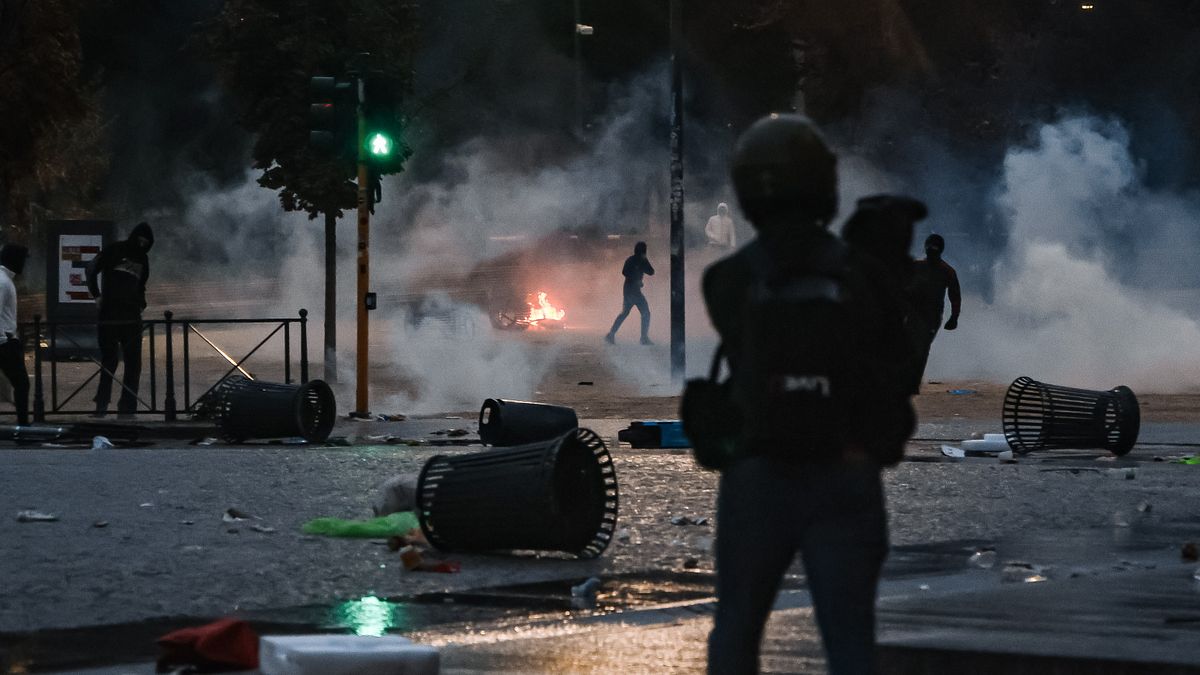
© IPA
"Prendiamoci cura gli uni degli altri, così da poter essere pericolosi insieme". Nero su bianco, a caratteri cubitali, sono queste le prime parole del vademecum "Guida tascabile alle manifestazioni di piazza". A diffonderlo sui suoi canali social il neonato "Movimento 17 ottobre", protagonista dei saccheggi e della guerriglia in centro a Milano dello scorso fine settimana. Nelle chat tramite cui giovani e giovanissimi - anche 11enni e 12enni - si contattano e programmano nuove azioni, c'è chi si dà alla filosofia e cita Bertolt Brecht: "Chi combatte rischia di perdere, chi non combatte ha già perso". All'origine di tutto un forte sentimento di rabbia e terrore per il futuro, che serpeggia nelle frange più giovani della società. Questa la spiegazione di alcuni dei membri del movimento che abbiamo raggiunto telefonicamente. Una vera e propria "rivoluzione fai da te".
Cosa c'è alla base delle vostre azioni? Qual è il vostro messaggio?
"Quello che ci spinge è una stanchezza e una rabbia profonda per la società in cui viviamo: esclusi, emarginati e senza futuro. Chi ha le possibilità economiche va all'estero, chi non può farlo rimane qui, sottopagato e sfruttato. In Italia ormai è impossibile vivere. Per questo siamo scesi in piazza, per difendere un nostro diritto fondamentale: avere una vita dignitosa. Sulla scia di quanto accaduto in Francia, crediamo che sia arrivato il momento anche per l'Italia".
Com’è nato il movimento del 17 ottobre?
"È nato in modo spontaneo, come tanti movimenti di massa, da una pluralità di richieste e istanze che condividiamo. Con una costante di fondo: noi giovani non stiamo trovando alcuno spazio per esprimerci e nessuna possibilità di dialogo con le istituzioni. Vediamo leggi approvate che vanno nella direzione opposta rispetto ai nostri bisogni: si fanno tagli alla scuola e all'università, mentre i soldi pubblici vengono dirottati sulla guerra. Noi parliamo a nome di noi stessi e ci esprimiamo con diverse modalità in base alle città in cui ci troviamo. Ogni contesto si regola sulle richieste specifiche che portiamo avanti: povertà, carovita e la mancanza di finanziamenti per la scuola e per la sanità pubblica. Un giorno ci chiederanno di combattere per loro, ma noi non abbiamo alcuna intenzione di piegare la testa ai loro voleri".
Chi c’è dietro l’organizzazione?
"Nessuno, o meglio solo i giovani. Non c’è alcuna organizzazione partitica o sindacale. È un movimento spontaneo che appartiene alle piazze. È l’unico modo che abbiamo trovato per incanalare la rabbia in una qualche forma politica. Siamo costantemente demonizzati, descritti come criminali, come se fossimo noi il problema della società. Ma noi siamo il futuro".
A Milano nasce il "Movimento 17 ottobre": manifestazioni ogni sabato contro il governo
La neonata organizzazione annuncia una mobilitazione permanente ogni settimana a partire dal capoluogo lombardo, rivendicando i saccheggi come "esproprio proletario"

Una mobilitazione permanente fissata per ogni sabato alle 15, con il primo appuntamento in programma proprio nelle piazze del capoluogo lombardo. È la linea lanciata dal neonato "Movimento 17 ottobre", che attraverso i propri canali social ha annunciato l'intenzione di scendere in piazza con cadenza settimanale in diverse città italiane "fino alla caduta del governo".
Il tam tam della protesta sui social
La propaganda del gruppo è partita direttamente su Instagram e Telegram. Sulle piattaforme social la descrizione della pagina riassume l'orientamento dell'organizzazione: "Siamo quelli delle piazze. Quelli che vedono l'unica violenza nel manganello degli sbirri". Nei messaggi diffusi dagli amministratori viene respinta ogni accusa relativa ai recenti disordini di piazza, ribaltando le responsabilità sulle istituzioni: "I violenti siete voi che ci avete negato il futuro, ora quel futuro ce lo prendiamo", aggiungendo la formula "Rigettiamo tutte le accuse al mittente. Violento è questo sistema che ci uccide".
"Esproprio proletario a Milano"
A far discutere sono anche i contenuti multimediali pubblicati sul profilo Instagram. Tra i pochi filmati diffusi compare un video in cui alcuni dei giovani responsabili dei recenti saccheggi ai danni dei negozi del centro di Milano mostrano la consegna della merce rubata a un senzatetto. L'azione è stata espressamente etichettata dal gruppo con la dicitura "Esproprio proletario a Milano". Le autorità monitorano la situazione in vista del primo appuntamento di sabato pomeriggio.
© MilanoToday
I gruppi Movimento 17 ottobre e Italia in piazza
Annunciate mobilitazioni a oltranza fino alla caduta del "governo ladro". Cosa si dice dentro le chat e quali sono i messaggi, tra "espropri proletari", manuali per sabotaggi, guerriglia urbana e rivendicazioni sociali

Dopo le proteste in piazza a Milano e in altre città italiane sono arrivate più rivendicazioni da parte di neonati gruppi e collettivi. Il passaparola corre grazie agli strumenti ideali, tra hashtag su social come Instagram e TikTok e gruppi Telegram. Non sembra essere finita qui: il "Movimento 17 ottobre" ha lanciato una "mobilitazione permanente", ogni sabato, fino alla caduta del governo Meloni.

La pagina Instagram, @movimento17ottobre, è nata da pochi giorni e rivendica l'identità politica di chi è sceso in strada. In uno dei contenuti pubblicati, la violenza viene attribuita al sistema politico e alle forze dell'ordine, respingendo le accuse dopo le violenze e i danni causati. In un altro compare un video, accompagnato dalla dicitura "Esproprio proletario a Milano", che mostra la consegna a una persona senza dimora di merce sottratta durante i saccheggi. La pagina rimanda al gruppo Telegram, dove si discute e si organizzano le prossime iniziative: la rete sembra più articolata di quanto suggerisca il nome del movimento.
La rete social del Movimento 17 ottobre
Il profilo ha superato i 2.500 followers, ma i seguaci aumentano in fretta, così come la pagina Telegram che ha superato da poco il migliaio di follower. Gli amministratori si firmano "M1710" e descrivono il gruppo come uno spazio di confronto e organizzazione per le future manifestazioni.
Come detto, è stato fatto annuncio della mobilitazione permanente ogni sabato alle 15, con otto appuntamenti indicati nelle grafiche diffuse dagli amministratori:
- Milano, piazza Duomo;
- Bologna, piazza Nettuno;
- Torino, piazza Castello;
- Roma, Circo Massimo;
- Firenze, piazza Santa Maria Novella;
- Padova, piazza Mazzini;
- Bari, piazza Umberto I;
- Genova, piazza De Ferrari.
Il primo appuntamento è il 24 ottobre. Nella chat vengono richieste grafiche specifiche per le diverse città, da stampare e diffondere. La galassia della pagina Instagram ha legami con la rete cosiddetta "antagonista" e collettivi di sinistra, anche universitari e No Tav. Tra questi, Csa Lambretta e Deriva, che hanno attivato un servizio di assistenza legale per i giovani fermati durante gli scontri di Milano.
Cosa si dice nelle chat
Nel gruppo Telegram compaiono anche documenti destinati ai partecipanti alle manifestazioni. Tra quelli diffusi dagli amministratori c'è "Safer in the street", una guida che offre informazioni e consigli pratici per affrontare le proteste di piazza.
Dagli screenshot risultano inoltre contributi pubblicati da singoli utenti, compresi un manuale anarchico già disponibile da anni online e discussioni sulla preparazione agli scontri con le forze dell'ordine.
Tanti rimandi ad altri gruppi esistenti sui social e su WhatsApp. In molti si dissociano da contenuti e violenze o da indicazioni, come si vede in un gruppo in cui si lancia un sondaggio sui negozi da devastare. È evidente che ci siano più anime e che non tutti i partecipanti siano orientati alle proteste distruttive.
18/10/26
Formazione rivoluzionaria delle donne - Il marxismo e il movimento femminile - 1° parte


Massimo sostegno alla mobilitazione e lotta delle migliaia di studentesse e studenti in tante piazze, contro la repressione del governo moderno fascista Meloni/Piantedosi/Valditara

.jpeg)


.jpeg)

Un elemento significativo emerso in questa giornata di lotta è stato il legame di forte solidarietà creatosi tra studentesse e studenti e lavoratrici e lavoratori della scuola, numerosi docenti, come avvenuto a Torino, sono scesi in piazza al fianco degli studenti schierandosi con le ragazze e i ragazzi, quegli studenti che il ministro Valditara, continuando a dire falsità sul buon funzionamento della scuola pubblica ha definito teppisti, condannando la repressione poliziesca e la criminalizzazione del dissenso che questo governo vuole imporre, facendo in piazza davanti ai poliziotti in assetto antisommossa anche uno scudo umano contro le cariche, i lacrimogeni, gli idranti, dicono gli studenti “se non cambia sarà come la Francia” …

.jpeg)